
DevOps & Cloud Guide 2026
Your ultimate handbook for modern DevOps practices, cloud-native technologies, and best practices for 2026 and beyond. Stay ahead with the latest tools, methodologies, and implementation strategies.
What is DevOps?
DevOps is a culture + practices + tools approach that enables organizations to deliver applications and services at high velocity by unifying Development (Dev) and Operations (Ops) teams.
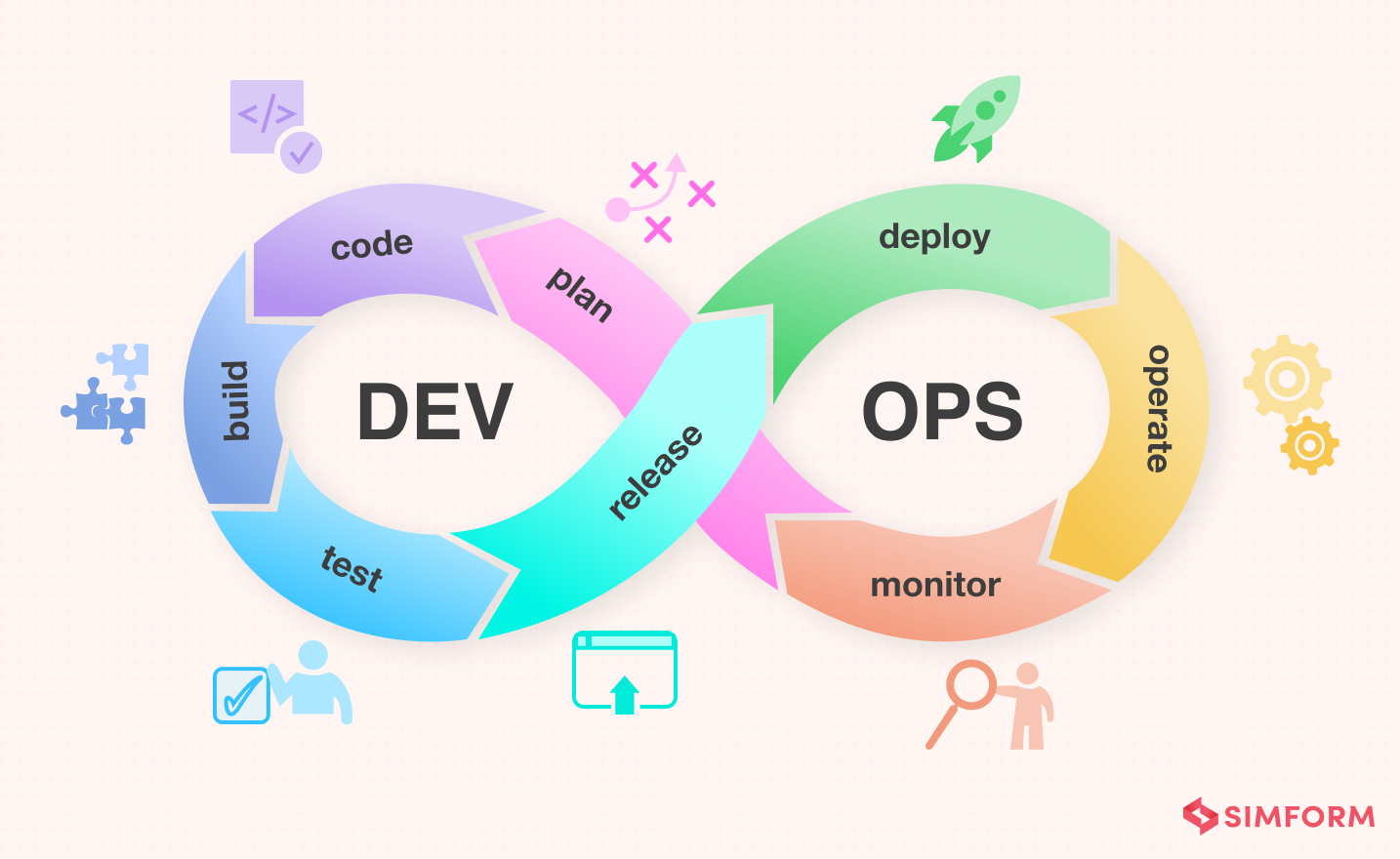

DevOps Lifecycle — Explained
The DevOps lifecycle revolves around continuous processes that ensure smooth software delivery.

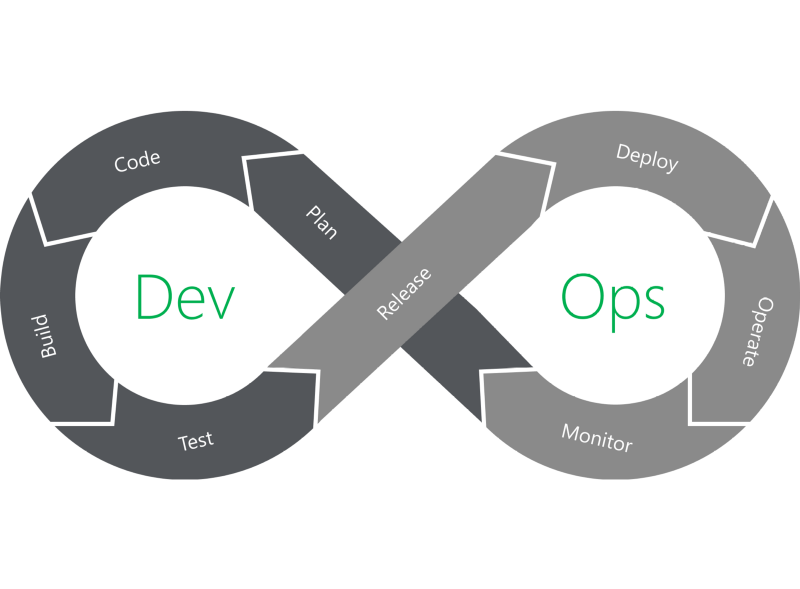
Key Phases
- Plan — Define features, roadmap, backlog
- Code — Develop in version control (Git)
- Build — Compile and package
- Test — Automated and manual testing
- Release/Deploy — Deploy to production reliably
- Operate — Run services smoothly
- Monitor — Track performance & logs
- Feedback — Improve with real user feedback
Core DevOps Practices
Continuous Integration (CI)
- Merge code frequently
- Automated builds & tests on each commit
- Detect issues early
Continuous Delivery/Deployment (CD)
Automatically deliver changes to staging/production to reduce lead time.
| Continuous Delivery | Continuous Deployment |
|---|---|
| Human approval before production | Fully automated to production |
| Deployment-ready code | Automatically released |
| Manual release trigger | Automatic release on commit |
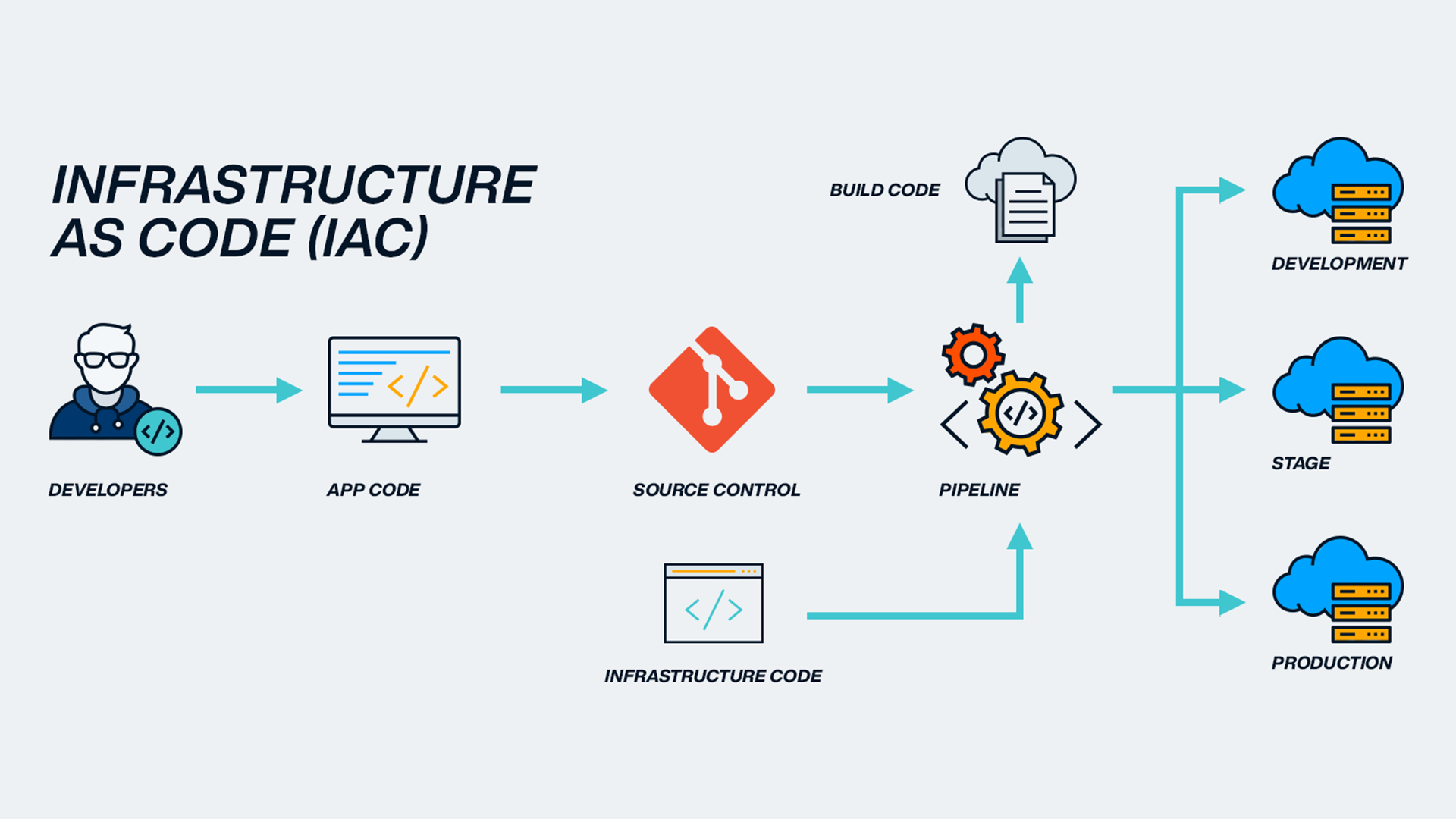
Infrastructure as Code (IaC)
Manage infrastructure with code — versioned & consistent.
Automated Testing
Automate Unit, Integration, System & Load tests to reduce defects and get faster feedback.
Configuration Management
Automate system setup and environment configurations.
DevOps Tools Stack — 2026 Update
| Category | Tools |
|---|---|
| Version Control | Git, GitHub, GitLab, Bitbucket |
| CI/CD | Jenkins, GitHub Actions, GitLab CI, CircleCI, ArgoCD |
| Containers | Docker, Podman, Containerd |
| Orchestration | Kubernetes, Docker Swarm, Nomad |
| IaC | Terraform, Pulumi, Crossplane, AWS CDK |
| Monitoring | Prometheus, Grafana, ELK Stack, Datadog |
| Security | Snyk, Aqua, Falco, Trivy, Checkmarx |
| Collaboration | Slack, Jira, Confluence, Microsoft Teams |
DevOps Security (DevSecOps)
Security should be integrated early & everywhere in the DevOps lifecycle.
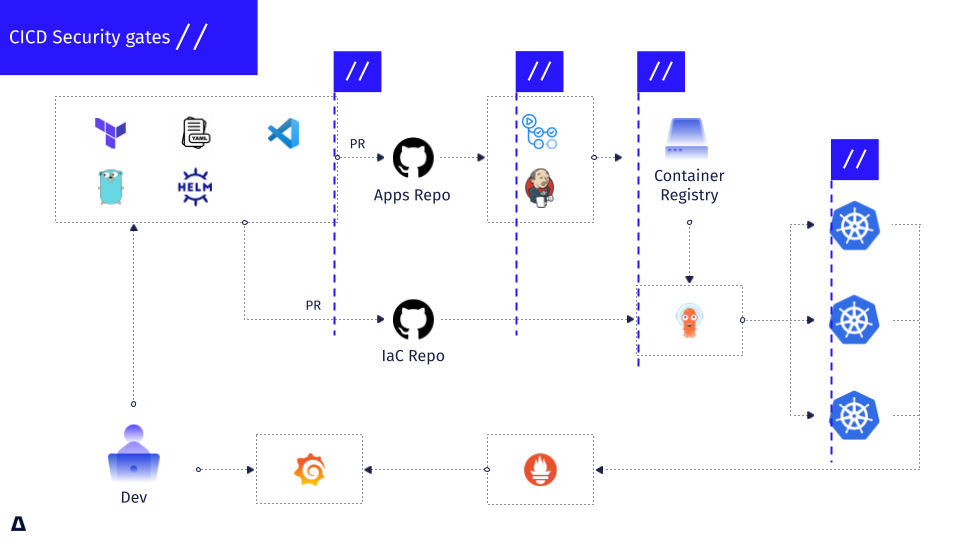

DevSecOps Principles
Best Practices for 2026
Culture
- Blameless post-mortems and incident reviews
- Shared accountability across teams
- Cross-functional, product-oriented teams
- Continuous feedback loops
Automation
- Automate EVERYTHING (build, test, deploy, monitor)
- Use smart triggers & notifications
- Self-service platforms for developers
- Automated rollback mechanisms
Cloud Native
- Adopt Kubernetes, serverless, service mesh
- Use managed cloud services where possible
- Implement multi-cloud and hybrid strategies
- Adopt GitOps for declarative infrastructure
Metrics That Matter
| Metric | Why it Matters |
|---|---|
| Lead Time | Measures delivery speed from commit to production |
| Deployment Frequency | Indicates agility and release cadence |
| Mean Time to Recovery (MTTR) | Shows incident response and recovery speed |
| Change Failure Rate | Reflects stability and quality of changes |
Continuous Learning
- Active participation in DevOps communities
- Internal knowledge sharing sessions
- Regular workshops and retrospectives
- Encourage certification and skill development
Common DevOps Challenges (and Solutions)
| Challenge | Solution |
|---|---|
| Siloed teams and lack of collaboration | Create cross-functional squads with shared goals |
| Manual processes slowing delivery | Identify bottlenecks and add automation gradually |
| Flaky tests causing pipeline failures | Improve test design and implement test resilience patterns |
| Inconsistent environments across stages | Use IaC & containers for environment parity |
| Security gaps in fast-paced delivery | Shift left with DevSecOps and automated security gates |
| Tool sprawl and integration complexity | Standardize toolchain and implement platform engineering |
